How Much Does It Cost to Replace an AC Unit: A Comprehensive Guide
Exploring the realm of AC unit replacement costs, this guide delves into the various factors that influence pricing, average cost ranges, cost-saving tips, and warranty considerations. Get ready to uncover essential insights that can help you navigate the process of replacing your AC unit with confidence.

When considering the cost of replacing an AC unit, several key factors play a crucial role in determining the overall expense. Understanding these factors can help homeowners make informed decisions when investing in a new cooling system.One of the primary factors that influence the cost of replacing an AC unit is the size of the unit itself.
Larger units typically come with a higher price tag due to their increased capacity and output. On the other hand, smaller units may be more affordable but might not be sufficient to adequately cool larger spaces.The type of AC unit also impacts the replacement cost.
Different types of units, such as central air conditioning systems, ductless mini-split systems, or window units, vary in price based on their complexity and efficiency. High-end units with advanced features like smart thermostats or variable-speed compressors tend to be more expensive upfront but can result in long-term savings due to improved energy efficiency.Installation complexity is another significant factor to consider.
If your home requires extensive ductwork modifications or additional electrical work to accommodate the new unit, the installation costs can increase substantially. Hiring a professional HVAC technician to handle the installation can also add to the overall expense but ensures proper setup and optimal performance.Moreover, the location of your home can affect the cost of replacing an AC unit.
Factors like local climate, accessibility to the installation site, and labor rates in your area can all impact the final price. For instance, homes in regions with extreme temperatures may require more powerful and expensive units to maintain indoor comfort effectively.When estimating the cost of replacing an AC unit, it’s essential to consider energy efficiency ratings like SEER (Seasonal Energy Efficiency Ratio) and additional features that can enhance the unit’s performance and longevity.
Investing in a more energy-efficient unit may result in higher upfront costs but can lead to lower utility bills over time, making it a cost-effective choice in the long run.
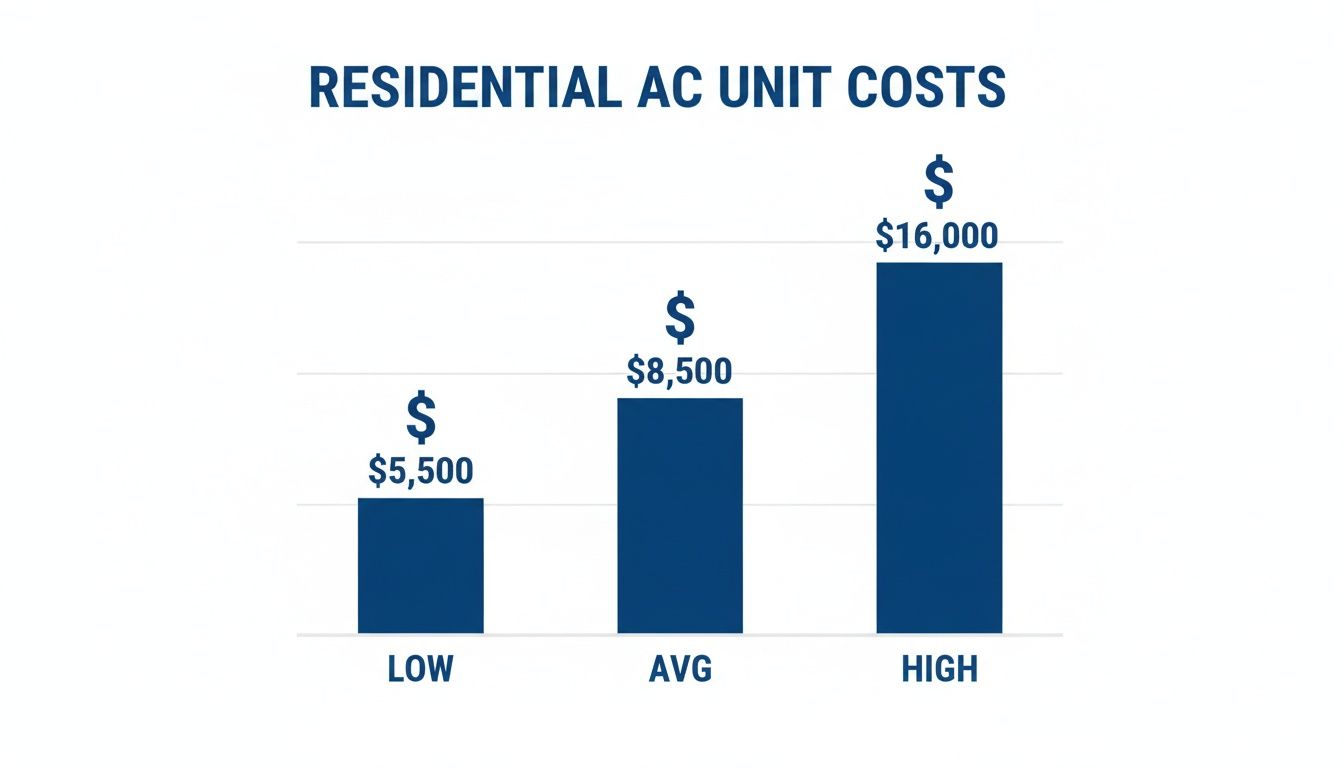
When it comes to replacing an AC unit, the cost can vary depending on the type of unit, the size of the space, and any additional expenses that may arise during the installation process. On average, the cost range for replacing an AC unit in residential or commercial settings can fall between $3,000 to $7,000.
Central air conditioning units are a popular choice for larger spaces or whole-home cooling. The average cost range for replacing a central air unit, including installation, can range from $3,500 to $7,500. This cost can increase if additional ductwork is required or if the existing ducts need to be replaced.
Ductless mini-split systems are ideal for smaller spaces or areas where ductwork is not feasible. The average cost range for replacing a ductless mini-split system, including installation, can range from $2,000 to $5,000. Keep in mind that the number of indoor units needed can impact the overall cost.
Window units are a more affordable option for cooling individual rooms or small spaces. The average cost range for replacing a window unit, including installation, can range from $200 to $1,500. However, additional expenses may arise if modifications are needed to the window opening or if extra support is required.Overall, in addition to the cost of the AC unit itself, it’s important to consider potential additional expenses such as permits, labor costs, materials, and any necessary upgrades to the electrical system.
These factors can contribute significantly to the overall cost of replacing an AC unit. Be sure to get multiple quotes from reputable HVAC professionals to ensure you are getting a fair price for your AC unit replacement.

When it comes to replacing your AC unit, there are several ways you can save money without compromising on quality. From negotiating prices with contractors to exploring DIY options, here are some cost-saving tips to consider.
One way to save money on AC unit replacement is by negotiating prices with contractors. Be sure to get multiple quotes from different companies and compare their offers. You can also try to negotiate a better deal by mentioning competitor prices or asking for discounts.
Getting multiple quotes from different contractors can help you find the best deal for your AC unit replacement. Make sure to compare not only the prices but also the services included in each quote. This will ensure you are getting the best value for your money.
Many HVAC companies offer seasonal promotions and discounts on AC unit replacements. Keep an eye out for these special offers and take advantage of any discounts that can help you save money on your replacement project.
If you have some experience with HVAC systems, you may consider handling certain aspects of the installation or maintenance yourself. This can help reduce the overall cost of AC unit replacement. However, be sure to consult with a professional before attempting any DIY work to ensure it is done safely and correctly.

When it comes to the cost of replacing an AC unit, considering warranty and maintenance options is crucial for long-term savings and efficiency.
Warranties for newly installed AC units can significantly impact long-term costs by covering repair or replacement costs for certain components within a specified period. Opting for a unit with a comprehensive warranty can provide peace of mind and financial protection in case of unexpected issues.
Regular maintenance plays a key role in prolonging the lifespan of an AC unit and reducing the need for premature replacement. Simple tasks like cleaning or replacing filters, checking for leaks, and ensuring proper airflow can prevent major issues and extend the efficiency of the unit.
When selecting maintenance plans or service contracts, consider the frequency of service visits, the range of services included, and the reputation of the service provider. Opt for a plan that offers regular tune-ups, priority service in case of emergencies, and discounts on repairs or replacements.
Investing in a quality maintenance plan can help keep replacement costs in check and ensure optimal performance of your AC unit.