AC Refrigerant Recharge Cost: What You Need to Know
Delving into the realm of AC refrigerant recharge cost, this article aims to shed light on the key factors influencing the expenses involved. From the type of refrigerant utilized to the signs indicating a recharge is needed, we explore it all in this comprehensive guide.
As we navigate through the intricacies of AC maintenance, understanding the average cost range for recharge, signs indicating a need for a refill, and the DIY versus professional recharge debate becomes crucial for every homeowner.
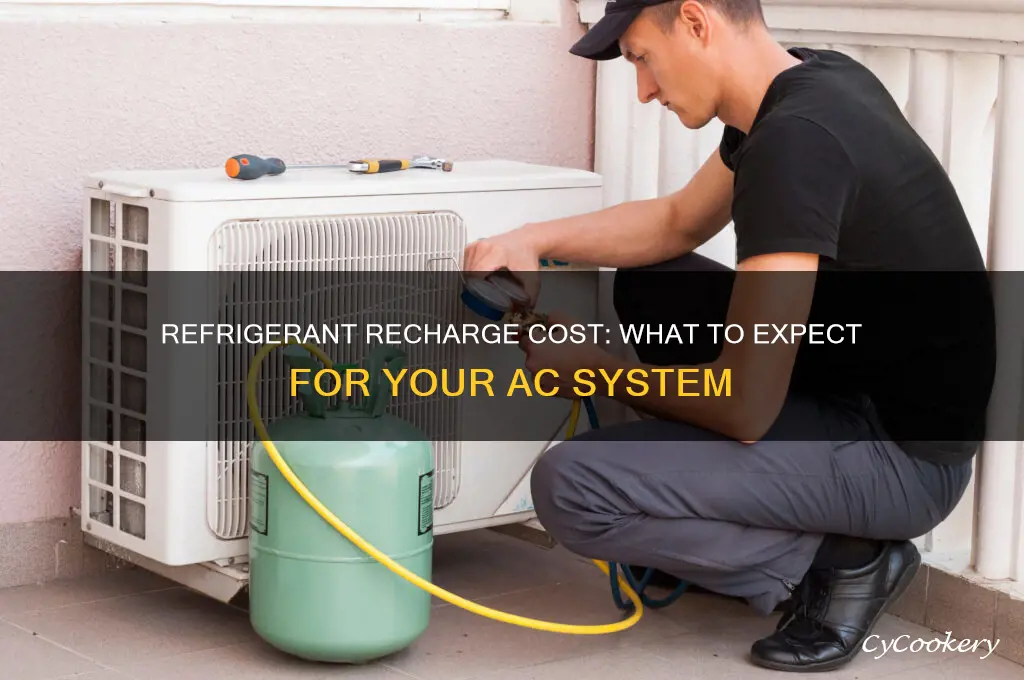
When it comes to the cost of recharging the refrigerant in your air conditioning unit, several factors come into play that can influence the overall expense. Let’s delve into the key factors that affect AC refrigerant recharge costs.
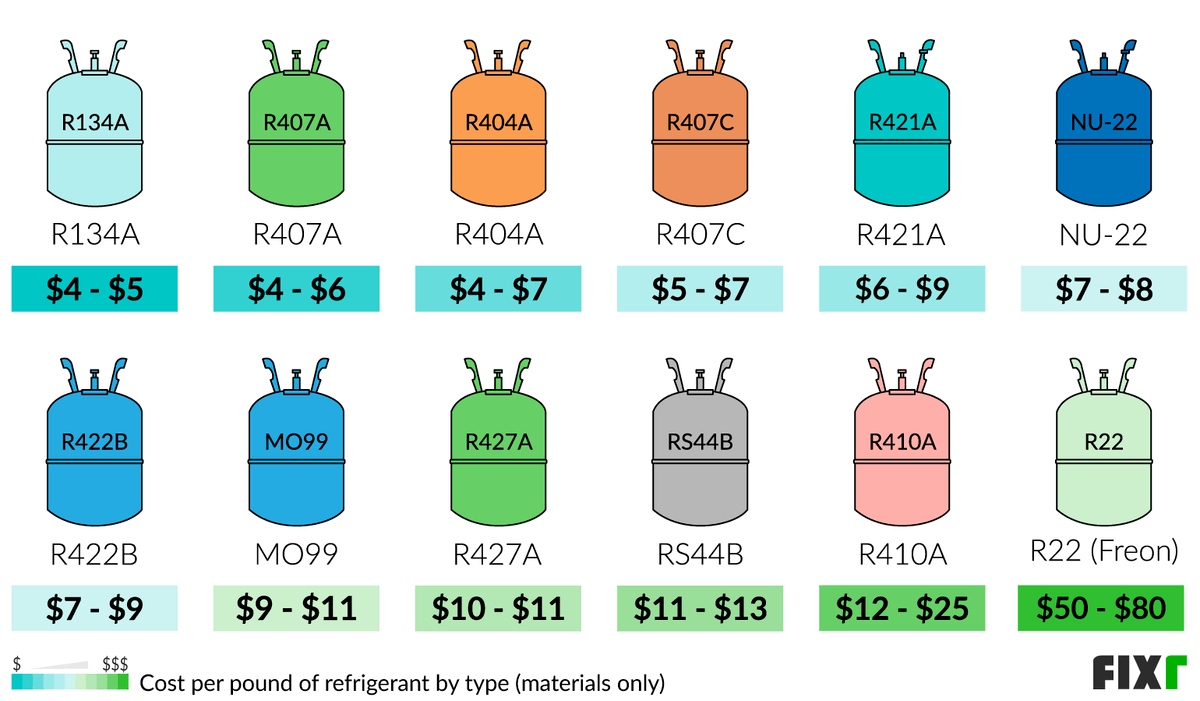
The type of refrigerant used in your AC system can have a significant impact on the recharge cost. Older refrigerants like R-22, which is being phased out due to its harmful effects on the environment, tend to be more expensive to recharge compared to newer, eco-friendly alternatives like R-410A.
The availability and scarcity of certain refrigerants can also affect the cost of recharging.
The size and age of your air conditioning unit play a crucial role in determining the recharge cost. Larger units require more refrigerant to operate efficiently, which can drive up the cost of recharging. Additionally, older AC systems may have leaks or issues that need to be addressed before recharging, adding to the overall expense.
The complexity of your AC system, including the layout of the ductwork, the number of components, and the overall design, can impact the recharge cost. Systems that are more intricate and difficult to access may require more time and labor to recharge, resulting in higher costs for the service.
The seasonal demand for AC services can also influence recharge costs. During peak seasons when many homeowners are using their air conditioners, service providers may charge higher prices for refrigerant recharge due to increased demand. It’s essential to schedule your recharge during the off-peak season to potentially save on costs.

When it comes to the average cost range for residential AC refrigerant recharge, the prices can vary depending on several factors. It’s essential to understand what these costs typically entail and how they can differ based on various circumstances.The average cost range for AC refrigerant recharge for residential units typically falls between $150 to $500.
This cost includes the refrigerant itself, labor charges, and any additional fees that may be incurred during the recharge process.
When your AC unit is not functioning as efficiently as it used to, it might be a sign that the refrigerant levels are low and a recharge is needed. Let’s explore some common symptoms that suggest the need for an AC refrigerant recharge.
A refrigerant leak can significantly impact the cooling efficiency of an AC unit. When there is a leak, the refrigerant levels drop, causing the system to work harder to cool the air. This can lead to decreased cooling capacity and increased energy consumption.
Before proceeding with an AC refrigerant recharge, it is crucial to have a professional diagnose the issue. A trained technician can accurately identify the cause of the problem, whether it is a refrigerant leak or another issue. This ensures that the recharge is done properly and effectively.
Operating an AC with low refrigerant levels can pose several risks. Not only does it reduce the cooling efficiency of the unit, but it can also cause the system to overheat and lead to compressor failure. Additionally, low refrigerant levels can result in increased energy bills and potential damage to the entire AC system.

When it comes to recharging the refrigerant in your AC unit, you may be faced with the decision of whether to attempt a DIY recharge or hire a professional HVAC technician. Each option has its own set of advantages and disadvantages, as well as safety considerations to keep in mind.
Handling refrigerant requires proper training and equipment to avoid exposure to harmful chemicals. Always wear protective gear like goggles and gloves, and ensure proper ventilation in the area.
Professional HVAC Technician
- Benefits:
- Expertise and experience in handling refrigerant safely and effectively.
- Ability to diagnose any underlying issues that may be causing the need for a recharge.
Choosing a Reputable HVAC Service
- Research and read reviews to find a licensed and insured HVAC technician.
- Get multiple quotes to compare pricing and services offered.
- Ask for referrals from friends or family who have had positive experiences with HVAC companies.