AC Replacement vs Repair: Making the Right Choice for Your Air Conditioner
Exploring the dilemma of AC replacement vs repair, this introduction sets the stage for a comprehensive discussion on the best course of action for your cooling needs.
From weighing the costs to considering the long-term benefits, this topic delves into the crucial decision-making process homeowners face when dealing with air conditioning issues.

When considering whether to repair or replace your air conditioning unit, it’s important to weigh the pros and cons of opting for AC repair.Repairing an air conditioning unit can have several benefits. One of the main advantages is cost savings.
In many cases, repairing a faulty AC unit can be more affordable than replacing the entire system. Additionally, repairing specific components of the AC unit can extend its lifespan, allowing you to get more use out of it before needing a replacement.
However, there are also drawbacks to choosing AC repair over replacement. One of the main disadvantages is the potential for recurring issues. If your AC unit is older or has multiple components that need repair, you may find yourself dealing with frequent breakdowns and repairs.
This can be frustrating and costly in the long run. Additionally, older units may not operate as efficiently even after repairs, leading to higher energy bills.In terms of cost-effectiveness, repairing an AC unit can be a good option if the repairs are minor and the unit is relatively new.
On the other hand, if your AC unit is approaching the end of its lifespan or requires extensive repairs, it may be more cost-effective in the long run to invest in a new unit that is more energy-efficient and less prone to breakdowns.One example of a situation where AC repair is a more suitable option is when the issue with the unit is minor and can be fixed quickly and affordably.
For instance, a clogged air filter or a faulty thermostat can often be repaired without breaking the bank. In such cases, opting for repair can save you money and extend the lifespan of your AC unit.

Replacing an air conditioner comes with its own set of advantages and disadvantages. Let’s dive into the reasons why opting for a new AC system might be beneficial, as well as the drawbacks of choosing to replace the unit instead of repairing it.
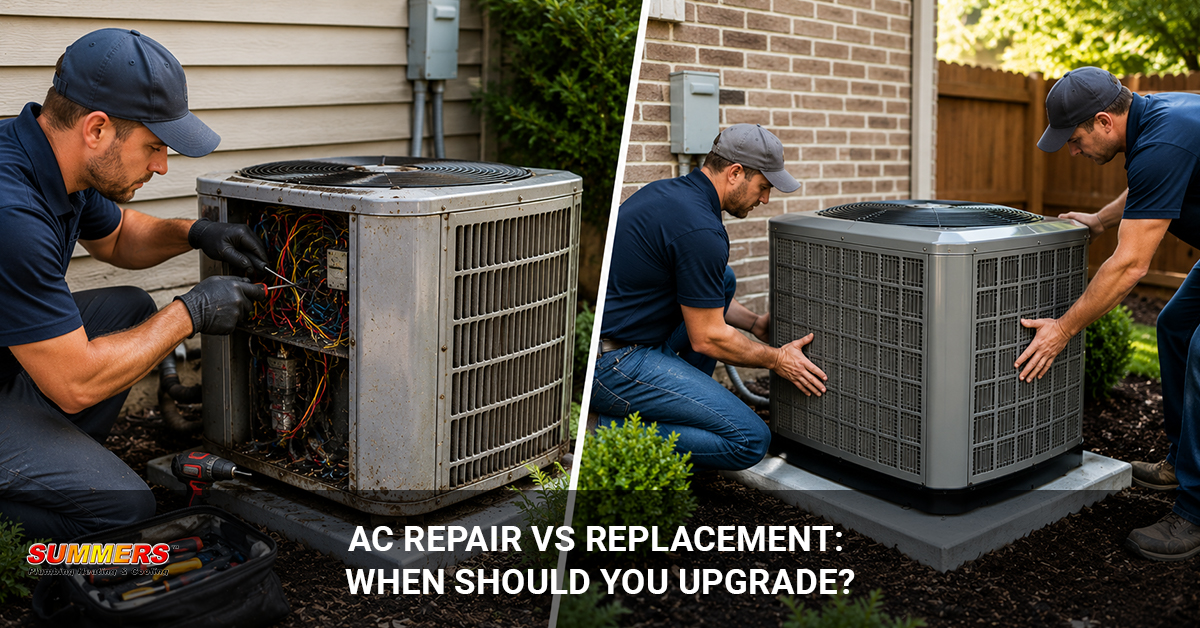
When faced with the decision of whether to repair or replace your AC unit, there are several factors that should be taken into consideration. These factors can help you make an informed choice that is both cost-effective and environmentally friendly.
One crucial factor to consider is the age of your AC unit in relation to the repair costs. As a general rule of thumb, if your air conditioner is more than 10 years old and the repair costs are approaching 50% of the price of a new unit, it may be more economical to opt for a replacement.
When deciding between repair and replacement, it is important to take into account the environmental impact of your choice. Repairing an older unit may prolong its lifespan, but it could also result in higher energy consumption and increased greenhouse gas emissions.
On the other hand, replacing your AC unit with a more energy-efficient model can help reduce your carbon footprint and lower your utility bills in the long run.

Regular maintenance is key to ensuring your air conditioner operates efficiently and lasts for a long time. By following some simple tips, you can extend the lifespan of your AC unit and avoid costly repairs or replacements.
Regular Cleaning and Inspection
- Regularly clean or replace air filters to ensure proper airflow and reduce strain on the system.
- Inspect the coils and fins for any dirt or debris and clean them as needed to maintain optimal performance.
- Keep the area around the outdoor unit clear of debris, vegetation, and obstructions to allow for proper airflow.
Professional Maintenance
- Schedule annual maintenance with a professional HVAC technician to inspect and tune-up your air conditioner.
- Have the technician check refrigerant levels, electrical connections, and overall system performance to catch any issues early.
- Consider enrolling in a maintenance plan for regular tune-ups and priority service in case of emergencies.
Efficient Use and Temperature Control
- Set your thermostat to a moderate temperature to reduce strain on the system and save energy.
- Avoid frequent temperature adjustments that can cause the AC to work harder and wear out faster.
- Use curtains or blinds to block out sunlight and reduce the workload on your air conditioner during hot days.
Proper Storage in Off-Season
- Cover the outdoor unit during the off-season to protect it from debris, snow, or ice buildup.
- Consider removing window units and storing them indoors during the winter months to prolong their lifespan.
- Inspect the unit for any damage before starting it up again in the next cooling season.