Exploring Air Conditioning Repair Costs: A Comprehensive Guide
Air conditioning repair cost sets the stage for this enthralling narrative, offering readers a glimpse into a story that is rich in detail and brimming with originality. From factors influencing repair costs to average repair expenses and the debate between DIY versus professional repairs, this guide covers it all in a manner that is both informative and engaging.
As we delve deeper into the intricacies of air conditioning repair costs, readers will gain valuable insights into this essential aspect of home maintenance.
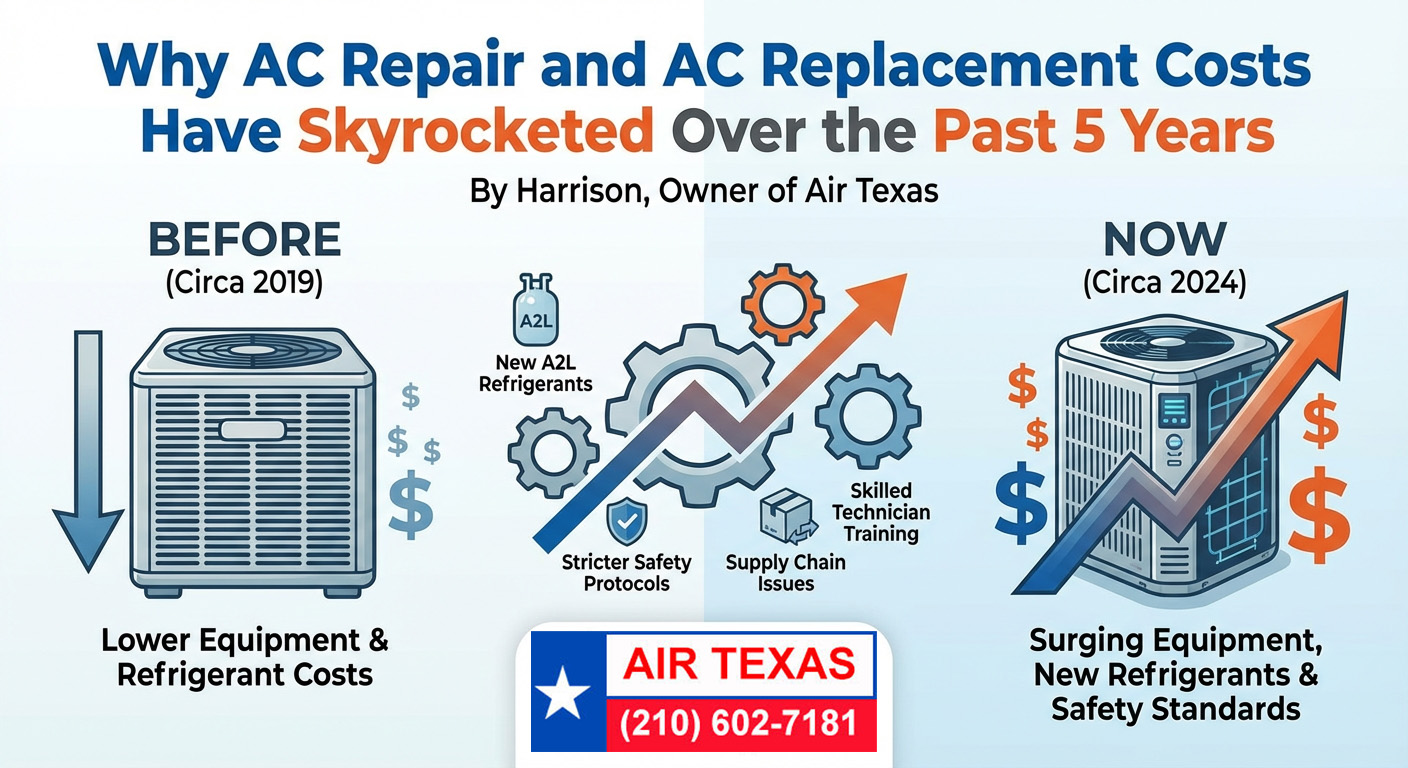
When it comes to air conditioning repair costs, several factors come into play that can influence the final bill. Understanding these factors can help homeowners make informed decisions about their HVAC systems.
The age of the air conditioning system is a significant factor in determining repair costs. Older systems may require more frequent repairs and replacement parts, which can drive up the overall cost. Additionally, older systems may be less energy-efficient, leading to higher utility bills.
Regular maintenance can help extend the lifespan of the system and reduce the need for costly repairs.
Regular maintenance is crucial in keeping air conditioning repair costs down. By scheduling annual tune-ups and inspections, homeowners can catch small issues before they escalate into major repairs. Simple tasks like cleaning or replacing air filters can improve the efficiency of the system and prevent breakdowns.
Investing in regular maintenance can save money in the long run by avoiding costly repairs.
The type of air conditioning unit can also impact repair costs. Central AC systems tend to be more complex and may require specialized expertise for repairs, which can be more expensive. Ductless mini-split systems and window units are generally easier and more affordable to repair.
However, the cost can vary depending on the specific issue and the availability of replacement parts.

When it comes to air conditioning repairs, the costs can vary depending on the specific issue and the components that need to be fixed. It’s important to understand the average costs for common air conditioning repairs to have an idea of what to expect when seeking professional help.Repair costs for components like compressors, coils, fans, and other parts can add up quickly.
Labor costs are also a significant factor in air conditioning repair estimates, as technicians typically charge an hourly rate for their services.
Labor costs in air conditioning repair estimates are typically calculated based on the technician’s hourly rate, which can range from $75 to $150 per hour.

When it comes to air conditioning repairs, homeowners often face the dilemma of whether to attempt a DIY fix or hire a professional. Both options have their own set of risks and benefits, so it’s essential to weigh them carefully before making a decision.
Attempting DIY air conditioning repairs can be cost-effective, especially for minor issues like cleaning or replacing filters. However, there are risks involved, such as causing further damage to the system if the repair is not done correctly. It’s crucial to have the right tools, knowledge, and skills to ensure the repair is successful.
For complex or major air conditioning issues, it’s advisable to hire a professional. HVAC technicians have the expertise and experience to diagnose and repair problems accurately. They can ensure that the repair is done correctly the first time, saving you time and money in the long run.
While DIY repairs may seem more affordable upfront, the cost implications can be higher if the repair is not done correctly and causes further damage. On the other hand, hiring a professional may have a higher initial cost, but it can prevent costly repairs in the future.
Consider the long-term savings and benefits when deciding between DIY and professional repairs.
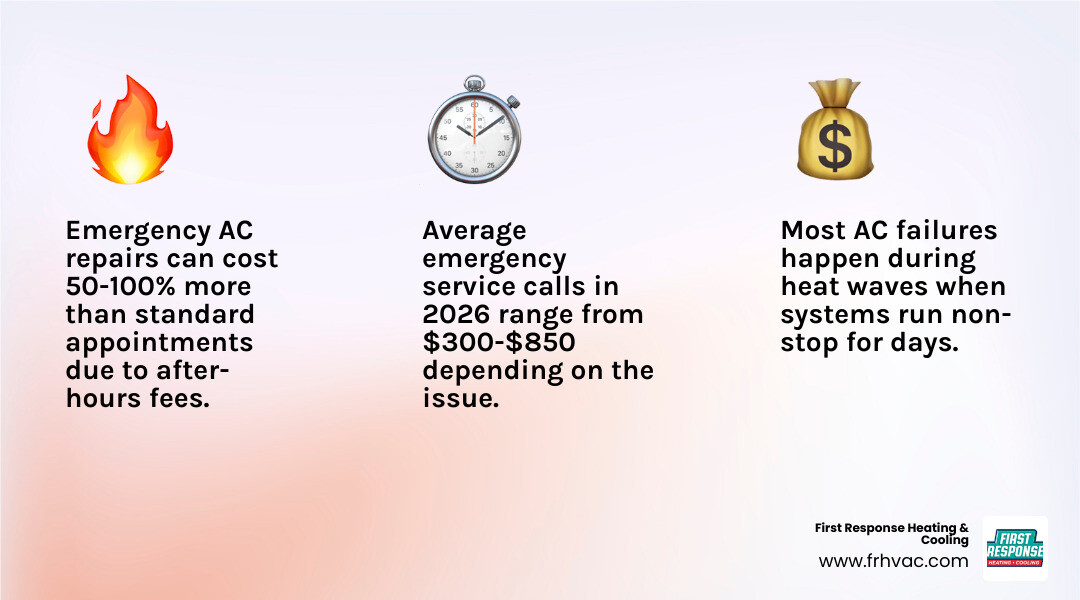
When it comes to air conditioning repairs, there are a few additional costs to keep in mind that may impact the overall expense of the repair job. These costs can include permits, disposal fees, and warranties that could affect the final cost.
It is essential to understand these factors to avoid any surprises during the repair process.
In some cases, air conditioning repairs may require permits from local authorities, especially for major repairs or replacements. These permits can come with associated fees that need to be factored into the overall cost. Additionally, the disposal of old parts or units may also incur fees, depending on local regulations.
It is crucial to check with your repair technician or local authorities to understand if permits and disposal fees will be necessary for your specific repair job.
Warranties can significantly impact the cost of air conditioning repairs. If your unit is still under warranty, some or all of the repair costs may be covered by the manufacturer. However, if the warranty has expired, you will be responsible for covering the full cost of the repairs.
It is essential to check the warranty status of your unit before proceeding with any repairs to understand how it may affect the overall repair costs.
One of the best ways to avoid unexpected repair expenses is to invest in regular servicing for your air conditioning unit. Routine maintenance can help identify potential issues early on, preventing costly repairs down the line. By scheduling regular tune-ups and inspections, you can prolong the lifespan of your unit and minimize the risk of unexpected breakdowns that could result in significant repair costs.
Investing in preventative maintenance can ultimately save you money in the long run and ensure your air conditioning system operates efficiently.