Exploring the Cost of a New AC Unit: A Comprehensive Guide
Delving into the realm of new AC unit costs, this introduction aims to provide readers with a detailed understanding of the various factors that influence pricing, average cost breakdowns, tips for saving money, and common mistakes to avoid. With a blend of informative content and engaging language, readers are set to embark on a journey of knowledge and insight into the world of AC unit expenses.
In the following paragraphs, we will explore the intricacies of AC unit costs, shedding light on crucial aspects that every homeowner should consider before making a purchase.

When considering the cost of a new AC unit, several factors come into play that can affect the overall price. Understanding these factors is crucial in making an informed decision.
The size of the AC unit, its efficiency rating, brand, and installation complexities all play a significant role in determining the cost. Larger units with higher efficiency ratings from well-known brands tend to be more expensive. Additionally, if the installation requires complex ductwork or additional modifications, the overall cost will increase.
The location where the AC unit will be installed can impact the cost due to varying labor rates and regulations. Adding extra features like smart thermostats or air purifiers can also increase the price. Warranties are essential for long-term protection but may add to the upfront cost.
On the other hand, rebates or incentives from manufacturers or government programs can help offset some of the expenses.
Selecting a reputable HVAC contractor is crucial for a cost-effective installation. A skilled and experienced contractor can ensure that the unit is properly sized, installed correctly, and maintained for optimal performance. While it may be tempting to go with the cheapest option, quality installation is key to avoiding future issues and maximizing the lifespan of your new AC unit.
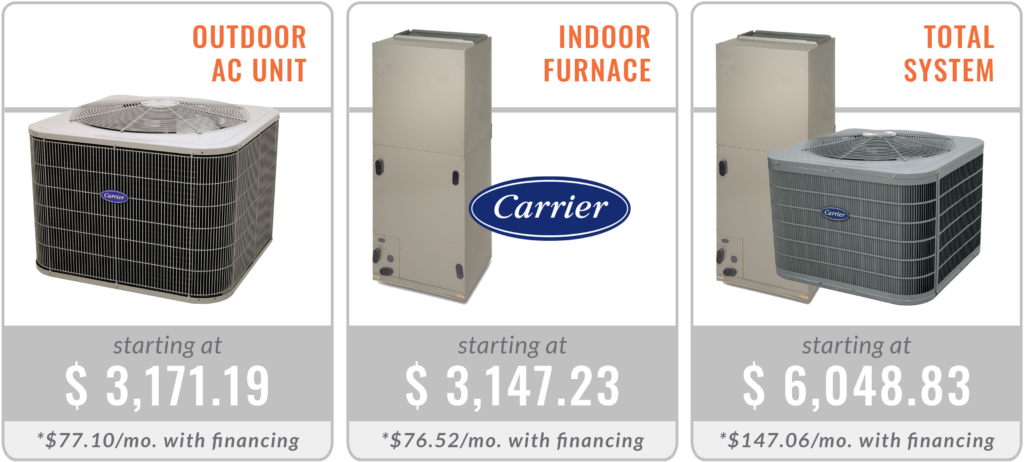
When looking at the average cost breakdown of a new AC unit, it’s essential to consider various factors that contribute to the overall price. These factors include the unit price, installation fees, permits, and any additional expenses that may arise during the process.
The unit price of a new AC unit can vary significantly depending on the type and brand you choose. On average, the cost of a central air conditioning system ranges from $3,000 to $7,000, while ductless mini-split systems can cost between $2,000 and $5,000.
Heat pumps typically fall in the range of $5,000 to $10,000. These prices are for basic models and may increase for high-end, energy-efficient units.
Installation fees are another significant cost to consider when purchasing a new AC unit. On average, installation can add an additional $1,000 to $3,000 to the total cost, depending on the complexity of the installation and any additional work required.
Permits are often required for the installation of a new AC unit, and the cost can vary depending on your location. Permit fees typically range from $100 to $500. Additional expenses such as ductwork modifications, electrical upgrades, or landscaping adjustments can also add to the overall cost.
Basic models of AC units are generally more affordable, with lower upfront costs ranging from $2,000 to $5,000 for most types. On the other hand, high-end, energy-efficient models can cost upwards of $10,000 or more. While the initial investment may be higher for high-end models, they often offer long-term savings on energy bills and increased performance.
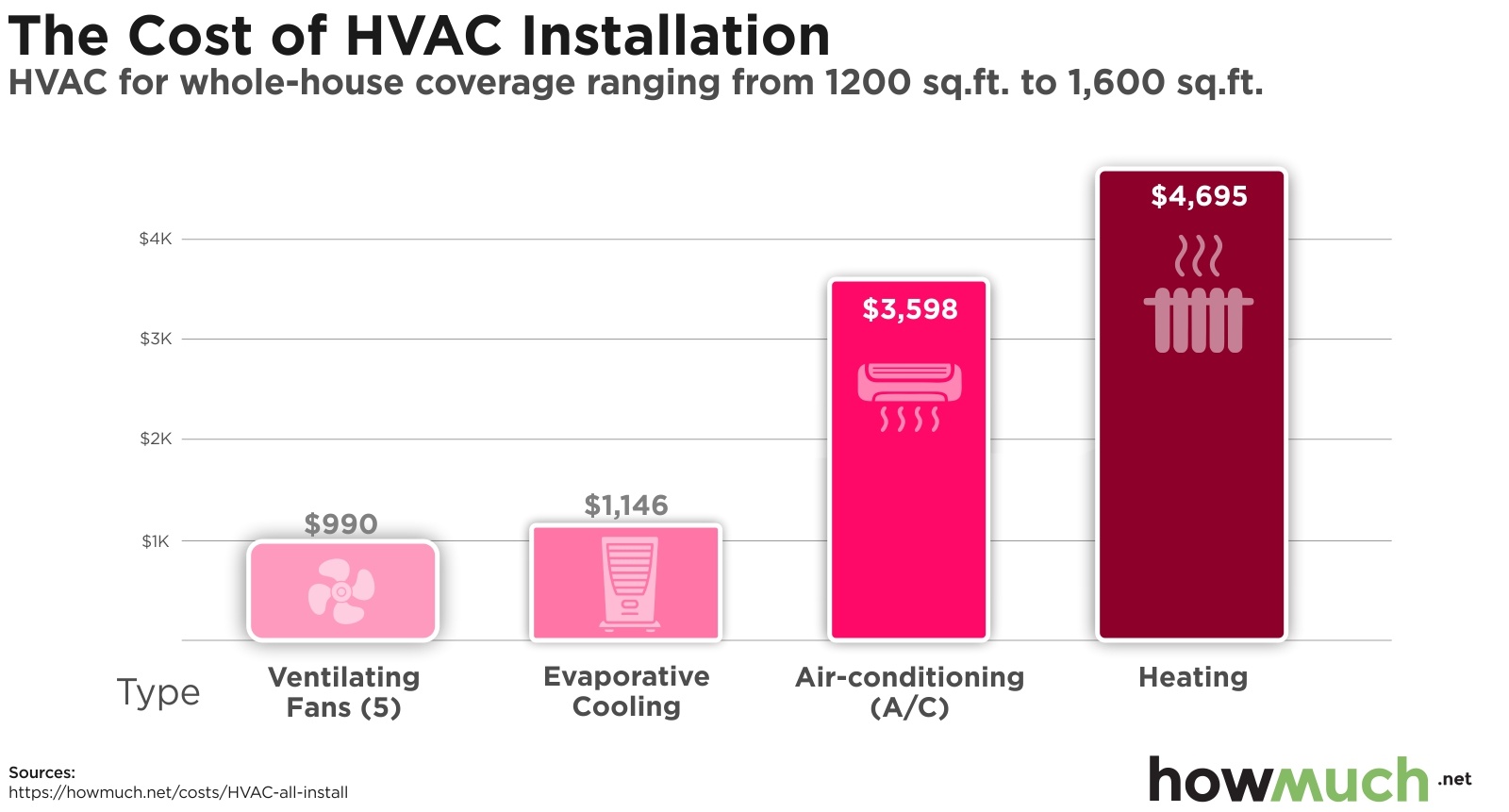
When looking to purchase a new AC unit, there are several strategies you can implement to reduce the overall cost. By being proactive and considering various factors, you can save money while still getting a high-quality product. Here are some tips to help you reduce the cost of a new AC unit:
Creating a cost-saving plan involves researching energy-efficient models, ensuring proper sizing for your space, and taking advantage of seasonal discounts. By investing in an energy-efficient model, you can lower your energy bills in the long run. Proper sizing is crucial to ensure optimal performance and efficiency.
Additionally, keep an eye out for seasonal discounts and promotions offered by manufacturers or retailers.
Before committing to a purchase, it’s essential to organize a checklist for negotiating with HVAC contractors. Compare quotes from multiple contractors and be prepared to negotiate for the best deal. Explore financing options such as zero-interest payment plans or manufacturer rebates to lower the upfront cost.
Maximizing rebates can also help offset the initial investment of a new AC unit.
Consider taking on some DIY-friendly installation tasks to cut down on labor costs. While complex tasks should be left to professionals, simple tasks like cleaning the installation area, removing the old unit, or installing programmable thermostats can be done by homeowners.
By reducing labor costs, you can significantly lower the overall cost of installing a new AC unit.

When budgeting for a new AC unit, there are several common mistakes that you should avoid to ensure you make a wise investment and avoid unexpected costs down the line.
Underestimating installation costs
- Installation costs can vary depending on the complexity of the installation, the type of unit being installed, and any additional work that may be required.
- It is essential to get quotes from multiple reputable HVAC professionals to ensure you have an accurate idea of the total installation costs.
- Underestimating these costs can lead to budget overruns and financial strain.
Choosing the wrong size unit
- Selecting an AC unit that is too small for your space will lead to inefficiency and increased energy bills as the unit struggles to cool the area adequately.
- Conversely, opting for a unit that is too large can result in frequent cycling on and off, leading to premature wear and tear on the system.
- It is crucial to have a professional assess your space and recommend the appropriate size unit to ensure optimal performance and energy efficiency.
Neglecting long-term maintenance expenses
- Many homeowners overlook the long-term maintenance costs associated with owning an AC unit, such as regular servicing, filter replacements, and potential repairs.
- Failure to budget for these ongoing expenses can result in higher costs in the future and a shortened lifespan for your AC unit.
- It is essential to factor in these maintenance costs when budgeting for a new AC unit to ensure you can properly care for your investment.
Opting for the cheapest option without considering long-term efficiency and repair costs
- Choosing the cheapest AC unit available may seem like a cost-effective choice upfront, but it can lead to higher energy bills and more frequent repairs in the long run.
- Low-quality units often lack energy efficiency features, resulting in higher monthly utility costs.
- Additionally, cheaper units may require more frequent repairs and replacements, costing you more money over time.
Importance of conducting thorough research and seeking multiple quotes
- Before making a purchase, it is crucial to research different AC units, brands, and features to determine which option best suits your needs and budget.
- Seeking multiple quotes from reputable HVAC companies will help you compare prices and services to ensure you get the best value for your investment.
- By conducting thorough research and obtaining multiple quotes, you can make an informed decision that aligns with your budget and long-term needs.